
Checking for a Warrant in Ogilvie
An Ogilvie warrant question lands with the county. The city runs no criminal court and no police warrant desk. Work from the sheriff, who handles enforcement, to Court Administration, which handles the case, and let each office confirm what it holds.
- Open the county warrants page and follow its link to the active warrant list for a first lead.
- Search Minnesota Court Records Online with Kanabec County selected.
- Call the sheriff's warrant line at 320-679-8400 and ask which agency controls the status.
- Call Kanabec Court Administration at 320-679-6400 for the file and the next date.
- Request a document from the sheriff's records desk at 320-679-8418 when a copy is the goal.
- Check the inmate locator only for custody questions.
Note: A city office cannot confirm a district court warrant for Ogilvie, so keep the county numbers handy before you drive.
When the Ogilvie City Website Is Down
Ogilvie's city website goes down now and then, sometimes returning a plain connection error. A broken link does not erase the record. It does not mean a city office closed its doors. It only means the city channel will not load online today. The fallback is simple: the same county offices that serve every other city in Kanabec County. The sheriff confirms enforcement status on a warrant, and Court Administration confirms the case behind it. Neither office needs the city page to load, so nobody in Ogilvie has to wait on a dead link to run a warrant check or ask about an active warrant.
Ogilvie Police and Municipal Court
Ogilvie publishes no police page or warrant page, and no county or state directory names a police provider under contract for the city, so a guess at a department name stays a guess. The clerk's office handles city business and can route an ordinance question, but it is not a court clerk and keeps no criminal files. Any district court matter filed in Ogilvie belongs to the Kanabec County court. That is where an Ogilvie warrant question goes.
Ogilvie in the County Warrant Map
Ogilvie is one of four incorporated cities in Kanabec County, second largest by population. Its size builds no separate warrant system. The county court and sheriff still carry every warrant, which is the point a city page has to make.
The Census incorporated-place table gives a count for each of the four cities, Ogilvie included.
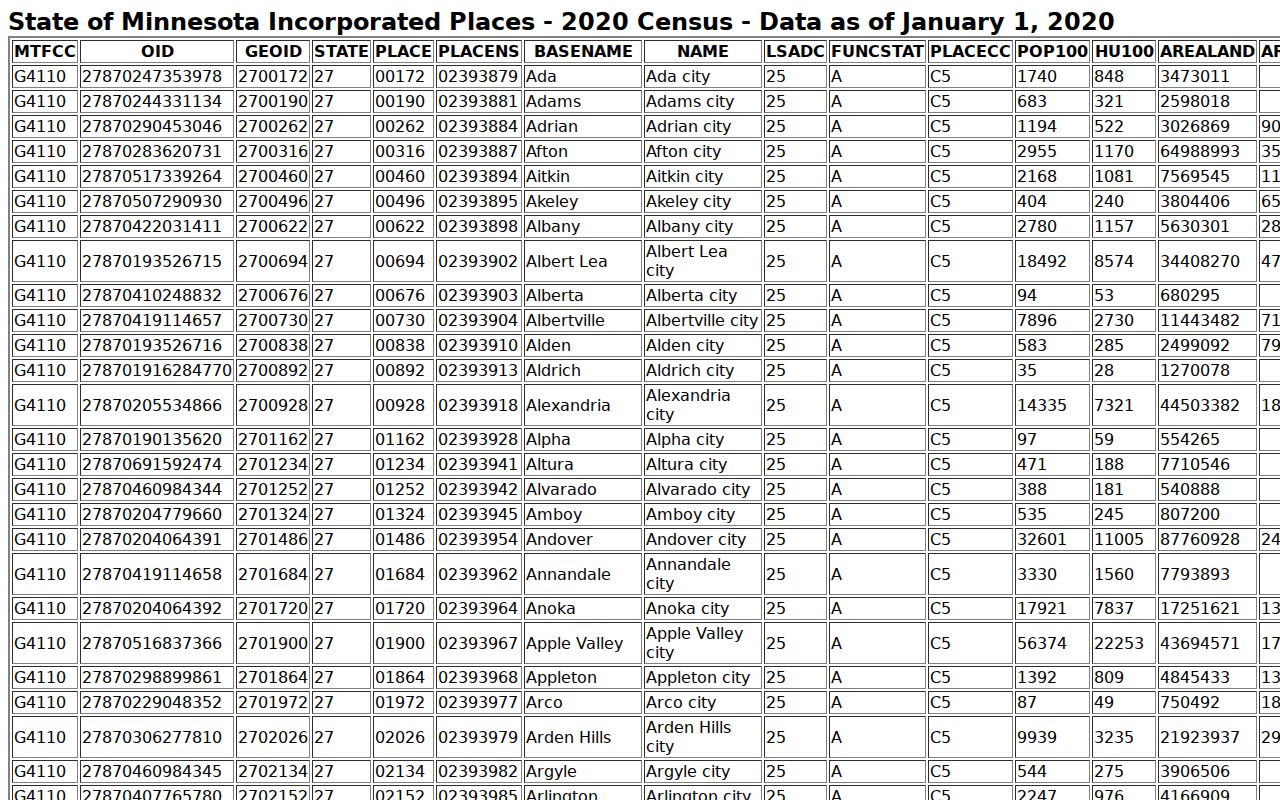
Ogilvie sits second on that list, which is why the county court and sheriff channels carry the warrant work for it. A state directory puts Ogilvie at 414 residents. The 2020 Census count of 388 carries a date label, though, so it is the figure worth citing.
Ogilvie Warrant Types
A case filed in Ogilvie is a Kanabec County case at heart. The district court issues the process. The warrant type then decides what a person should do about it.
| Warrant Type | How It Arises | Who Issues It |
|---|---|---|
| Arrest warrant | A complaint and facts establishing probable cause | A District Court judge |
| Bench or FTA warrant | A missed appearance or an order not followed | The judge in that case |
| Sign-and-release warrant | A qualifying missed hearing with no arrest authorized | The court, under state law |
| Probation arrest order | A probation officer's request for a probationer | Probation, entered with the sheriff |
| Child-support warrant | Enforcement work in a support case | The court hearing that case |
| Search warrant | An application to search a place or thing | A judge, on a separate file |
Most court warrants in this county trace back to a missed response or an order left undone. That is the county's own plain description. It fits Ogilvie cases the same way it fits the rest of the county.
Myths About Ogilvie Warrant Checks
Three beliefs cause most of the confusion around an Ogilvie warrant check. First, that a city office can clear a court warrant. Second, that a blank list result settles the matter. Third, that a mailing address is a place to appear. None of the three holds up. The clerk only routes city business, the public list can lag or withhold entries, and the Ogilvie contact is a post office box, not a counter or a surrender desk.
Keep in mind: Do not travel to a city address expecting to resolve a warrant. Call the sheriff and the court first and ask where the matter is handled.
Inside an Ogilvie Warrant Record
A warrant record follows the case, not the city, so an Ogilvie address on a citation creates no separate court file. A few fields answer most questions.
| Case or Warrant Number | Minnesota file numbers combine a county, case type, year, and sequence, as in 33-CR-25-271 |
|---|---|
| Name and Description | The person named on the process, with the identifying details on file |
| Offense or Charge | The charge in the case, with the statute or ordinance cited |
| Issuing Court | Kanabec District Court, Tenth Judicial District |
| Bail and Conditions | Terms the judge set, stated on the warrant itself |
| Status | Active, served, recalled, or inactivated |
Note: No statewide warrant-number format exists for Ogilvie cases, so copy the number exactly as the court prints it.
Ogilvie Warrant Leads in the County List
The county's active list is the one public page built for warrant entries, and its warning matters more than the entries do. Kanabec County publishes the database nightly, warns that it can lag behind court action, and says plainly that it should never be used to detain or follow anyone. Each entry carries a warrant type, an issue date, a name, and descriptive fields. Some entries include an image. Treat it as a list to scan, not a full warrant search tool. The same gap that applies anywhere in the county applies to Ogilvie: a missing entry is not proof that nothing is open, and only the issuing court can confirm.
How Ogilvie Warrants Fit the County System
The path runs from an Ogilvie citation or police contact to the district court that issues the warrant, then to the sheriff who serves it, and finally to the state systems that carry the record. For the full county picture, including the other cities and every county channel, start with the Kanabec County warrant records overview.
Ogilvie Ordinance Records vs Court Warrants
Two documents can reach an Ogilvie resident, from different offices with different powers. Telling them apart saves a call.
| Question | City Ordinance Record | Court Warrant Record |
|---|---|---|
| Who keeps it | The city clerk or city office | Kanabec District Court |
| What it covers | City code and local rules | Criminal, traffic, and court-order matters |
| How to check it | Call the clerk at 320-272-4822 | Call Court Administration or the sheriff |
| Can it be recalled locally | The city handles its own code process | Only the court can withdraw the process |
When a notice is ambiguous, call the court first. A court case in Ogilvie can be checked by number. That one call usually settles which office has been trying to reach you.
Confirming an Ogilvie Warrant by Phone
One phone call settles most of it. Ask whether the Ogilvie warrant is still active, then ask which office issued it.
Key point: The sheriff's warrant line answers enforcement questions, while Court Administration answers case and appearance questions. Use both when the answer has to be certain.
Ogilvie offers no online payment portal or recall form. Neither the city nor the county posts one. So a fine named on a notice needs a closer look before any money moves. Confirm whether the matter is a city ordinance case or a court citation, because a payment can carry a plea and a waiver of rights.
Ogilvie Warrant Records and Public Access
In Minnesota, government data is public by default. An Ogilvie case follows the same rules as any other Kanabec County case, and the Government Data Practices Act sets that presumption. Blank search results mean little here. Minnesota Statutes section 13.82 classifies law enforcement data. It keeps arrest-warrant index entries confidential until the person is in custody, has been served, or appears in court. So an active warrant can sit in Ogilvie records without any online trace, which is why the court clerk remains the real answer. Note: The state's online case search is a lead, and Rule of Public Access 8 limits what it shows.